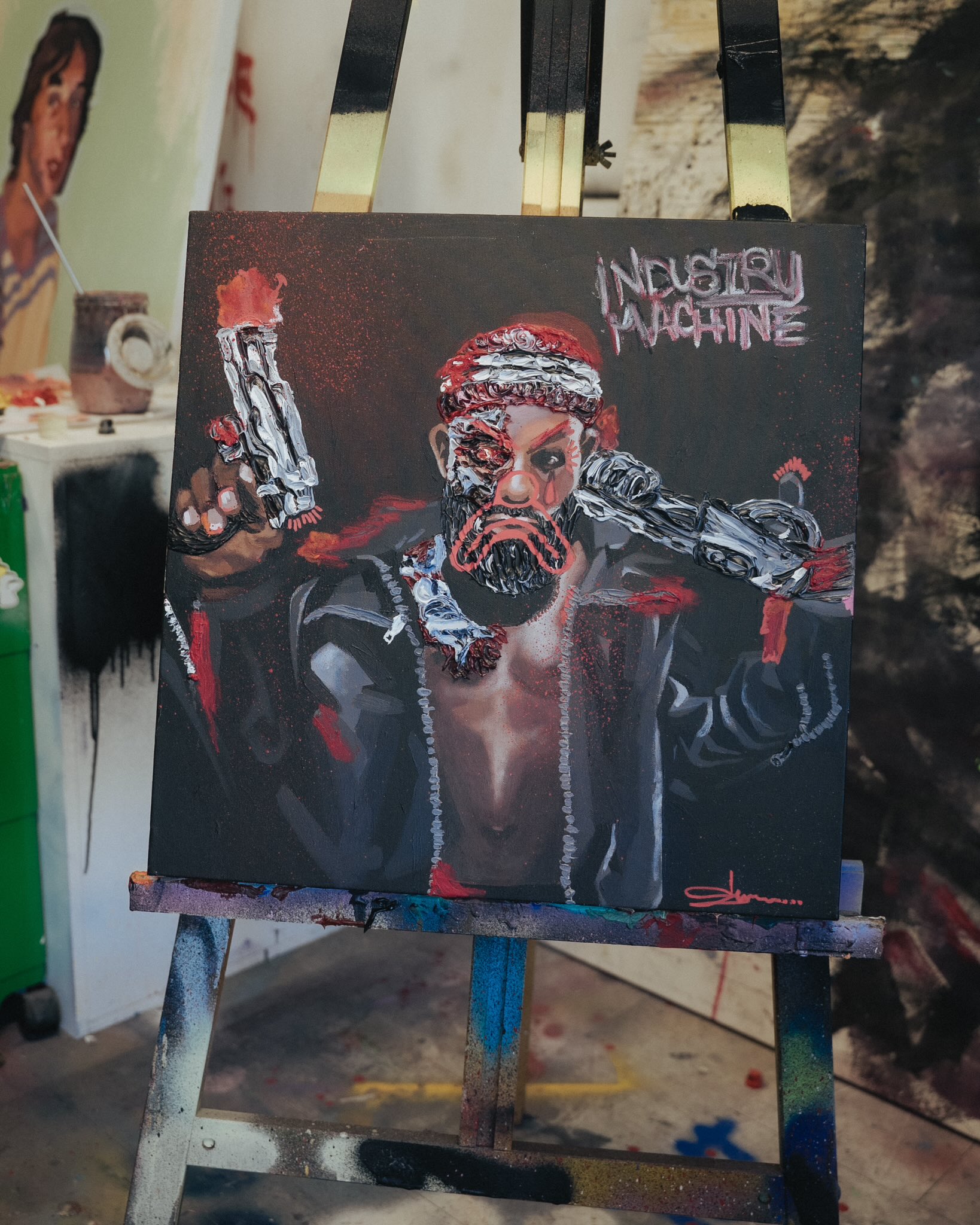
The Nigerian music industry often moves at a breakneck speed, powered by the global Afrobeats wave. But recently, all attention has turned back to the core of Nigerian hip-hop, where a profound and emotional struggle for authenticity is unfolding. The air is heavy with more than just tension, it feels like a pivotal, generation-defining moment.
On November 1, 2025, the Nigerian rap landscape violently shifted. Odumodublvck, the trap sensation known for his fiery energy, launched a deeply personal and provocative challenge against the pioneer whose work paved the way for him: MI Abaga. This isn’t just a beef; it’s a generational explosion that pits the Big Belt power of the new school against the revered legacy of the Chairman.
The Emotional Weight of the Accusations
In a series of raw, passionate posts on X, Odumodublvck didn’t just criticize a peer; he aimed at the very foundation of MI’s industry standing. He branded the veteran a “pathological liar,” accusing him of being entangled in an alleged plot by Chocolate City to stifle his career. The most shocking element was the deeply personal insult, calling MI a “short man devil,” and a vow to expose the “evil” he believes runs through the established industry structures.
This level of unfiltered venom is rare and shows a deep sense of betrayal or frustration from the younger artist. What began as a simmering tension connected to his existing feud with Blaqbonez has now escalated into an open confrontation with one of Nigerian rap’s most respected, and complicated, figures.
The Burden of Legacy and the Looming Response
The public reaction has been instantaneous, splitting the fanbase down the middle. For fans of the New African Boy, this is a necessary, albeit chaotic, push for authenticity and a raw challenge to a status quo they see as stagnant. For MI’s devoted listeners, the attack feels like a moment of painful disrespect, a refusal to honor the hard-won struggle that built the genre in the first place.
The spotlight now rests uncomfortably on MI Abaga.
As a pioneer, every move he makes carries the weight of history. While he has acknowledged the conflict with the track, “Beef,” the hip-hop world now waits for a detailed, lyrical rebuttal—a track that must not only defend his reputation but also articulate the complex burden of being a legend. If he responds, this moment will be studied for years to come.
This feud is about more than personal grievances; it’s a necessary, high-stakes conversation about generational transfer. Is the genre ready to pass the torch, or must the old guard fight fiercely to protect the artistic space they carved out? In an industry dominated by Afrobeats, this passionate, competitive friction is exactly what Nigerian hip-hop needs to remind everyone that the throne is contested, and the bars still hold deep, human meaning.
What does this moment mean for the future of Nigerian rap, and what kind of responsibility do artists hold to the legacy that precedes them?

Leave a Reply